
Xbar After Dark with Operator
Start With What You Have

Today was supposed to be my wife Lyniece’s day off. She planned to work on 42 Crafts. Then a call came in: someone needed care more than an hour away. She took it and headed out.
Lyniece is a registered nurse, and she’s the kind of person who shows up. A few years ago, a drive like that would have meant a lot of anxiety. She hates driving, especially on unfamiliar, winding country roads. Today, we joked about her getting to enjoy the fall colors on the way. Our Model Y, which we named the Mass Relay after Mass Effect, has made those trips feel much more manageable with Full Self-Driving. She still pays attention and is responsible for the drive, but the technology has made a real difference for her.
Watching her leave got me thinking. Technology is already changing how she gets to someone who needs care. How long before a robot in that person’s home can help with some of the routine physical tasks she’s traveling there to do?
Lyniece loves caring for people, but nursing is exhausting, and she’s felt the burnout. She went to school expecting to be a nurse her whole career. Now she’s also thinking about what comes next.
I believe the technology is moving quickly enough that many tasks in her kind of work could change dramatically within five years. That’s my expectation. Seeing how quickly these tools improve is a big part of why I believe it.
What I learned training artists in India
Watching how quickly technology has changed our lives didn’t start with that drive. Years ago, I was sent to India to help train artists on visual-effects pipelines for The Avengers and John Carter. I watched skillful, tenacious people who wanted to do the work sit down in front of unfamiliar software and get that deer-in-the-headlights look.
It wasn’t that they lacked creativity. The tools had a way of making the first step feel harder than it needed to be. Once someone understood the workflow, you could see the shift: the software stopped being a wall and started becoming a way to bring an idea to life.
That idea stayed with me. I kept thinking about how many people have ideas they’d love to bring to life, but open a piece of software and don’t know where to begin.
Today, a lot of people already have a computer capable of doing more than they realize. But setting up creative tools and local AI can still mean navigating a maze of downloads, settings, and technical instructions. Not everyone wants to pay for another subscription or send their work to a cloud service, either.
That’s why I built Xbar, and why I continue to add to it: to help bridge the gap between the technology people already own and what they can create with it. I want someone to be able to describe an idea naturally and start making something, without having to become a systems engineer first.
Why I want everyday tools to take fewer steps
Pragmatically is another part of that idea. It’s offline-first, with an optional MCP connector designed to be easy to set up. When I choose to connect it, I can ask my assistant what’s in my fridge while I’m miles from home. Whether it’s checking the fridge, finding a tool, or keeping track of the things you own, the idea is to make everyday life a little easier. That fridge moment made me think about how much uncertainty and anxiety a simple answer could save someone.
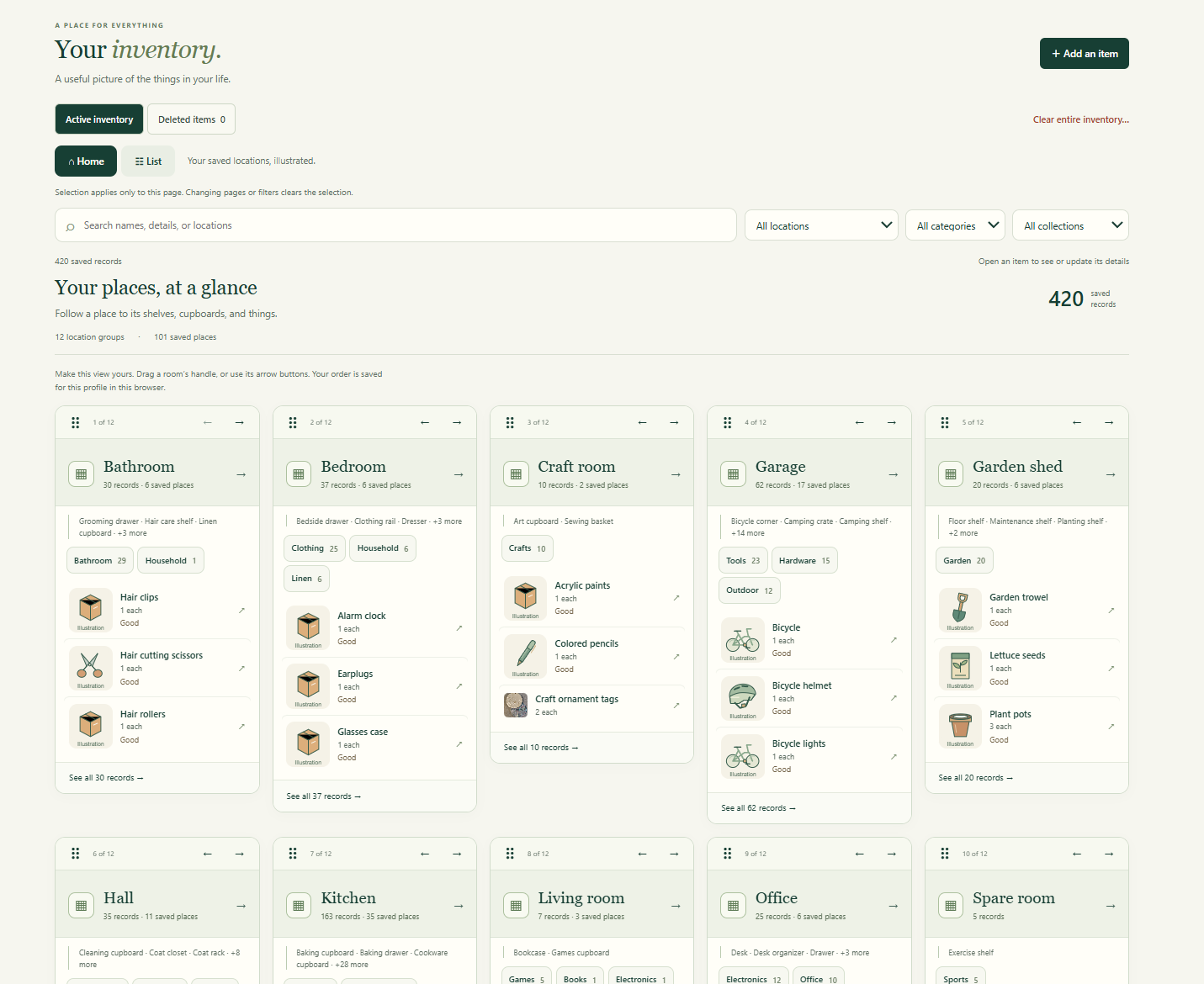
Not everyone wants to set up an MCP connector, and they shouldn’t have to. What matters is that someone can get to what they need in the way that feels right for them.
That’s how I think about integration. If it takes three buttons to do something, ask whether it could take none, without making the user give up control. The hardware is already there; good software should make using it feel natural.
What we’re building together
That’s one reason we built 42 Crafts and why I’m building Xbar. I’ve had to rethink my entire path in life many times, not just in visual effects. Those pivots are part of why I want us to live sustainably and why I want to build something great that helps other people enjoy technology with less friction.
Maybe you want to start a garden. Maybe you have an idea for a game, a piece of art, or just a better way to organize your life. You don’t have to wait until you know everything. Start with what you have, use the tools around you, and learn as you go.
That’s what I want technology to make easier. AI can help you explore an idea or learn a new skill, but the idea and the direction are still yours. I’m building Xbar to help open that door.
Lyniece and I are trying to do the same thing in our own lives: create more, live more sustainably, and share what we learn along the way. If that helps someone else see what’s possible with what they already have, then we’re moving in the right direction.
Ready to put your ideas to work? Get Xbar for $42 USD, one time. It runs locally on a compatible Windows PC—including one you may already own.